Trudeau’s Cannabis Legacy: 7 Years After Legalization, Why Canadian Producers Still Can’t Afford In-House Testing
Trudeau’s Cannabis Act: The Legislation That Changed an Industry
In October 2018, Canada made history as the first G7 nation to fully legalize recreational cannabis through the Cannabis Act (Bill C-45). The landmark legislation didn’t just decriminalize a plant — it created an entirely new regulated industry from seed to sale, complete with licensing frameworks, quality standards, and strict compliance requirements enforced by Health Canada.
Under the Cannabis Act, licensed producers (LPs) must meet rigorous standards including mandatory potency testing, contaminant screening for pesticides and heavy metals, and precise labeling accuracy on every product that reaches consumers. These requirements were designed to protect public health and displace the illicit market, but they also created significant operational burdens — particularly for smaller operators. Regardless of one’s political views on Trudeau, the Cannabis Act permanently reshaped Canada’s agricultural, pharmaceutical, and retail landscapes in ways that continue to evolve seven years later.
The Hidden Cost of Compliance: Why Most Canadian LPs Outsource Testing
Here’s a reality most consumers never consider: the vast majority of Canadian licensed producers don’t test their own products. Instead, they ship samples to accredited third-party laboratories and wait — often days or weeks — for results. Each sample costs between $100 and $300 or more, and those costs multiply rapidly across multiple batches, product formats, and retests. For small-to-mid-size producers, Canadian cannabis compliance testing fees can consume a punishing share of already thin margins.
Why don’t producers simply test in-house? Traditional HPLC systems — the gold standard for cannabis potency testing Canada relies on — cost between $100K and $250K+, require specialized operators, and demand dedicated lab space. That price tag puts in-house capabilities out of reach for micro-cultivators and most mid-size LPs. The downstream impact is severe: delayed batch releases, lost revenue from product sitting in quarantine, and a competitive disadvantage against larger vertically integrated operators who can afford their own labs.
The Evolving Canadian Regulatory Landscape in 2025 and Beyond
The Cannabis Act includes a mandated federal review, and 2025 brings renewed discussion about potential regulatory changes. Proposed reforms could increase testing frequency, expand required analyte panels, or shift compliance obligations in ways that further burden producers. Provincial variations in enforcement already create an uneven playing field, and new leadership in Ottawa may tighten or restructure compliance standards entirely.
Meanwhile, the Canadian hemp and CBD market continues to grow, and product diversification into edibles, extracts, and topicals carries additional testing mandates. Each product format requires distinct potency and homogeneity analyses, multiplying the number of samples producers must submit. For an industry already struggling with profitability, these evolving requirements make affordable cannabis lab equipment not just a convenience — but a survival necessity.
Why In-House Cannabis Potency Testing Is the Future for Canadian Producers
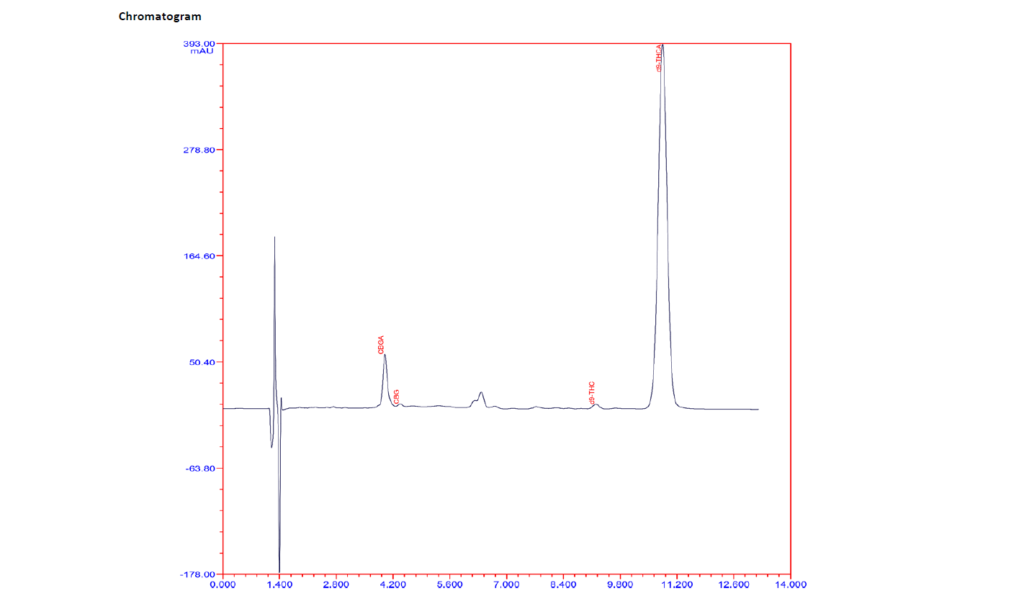
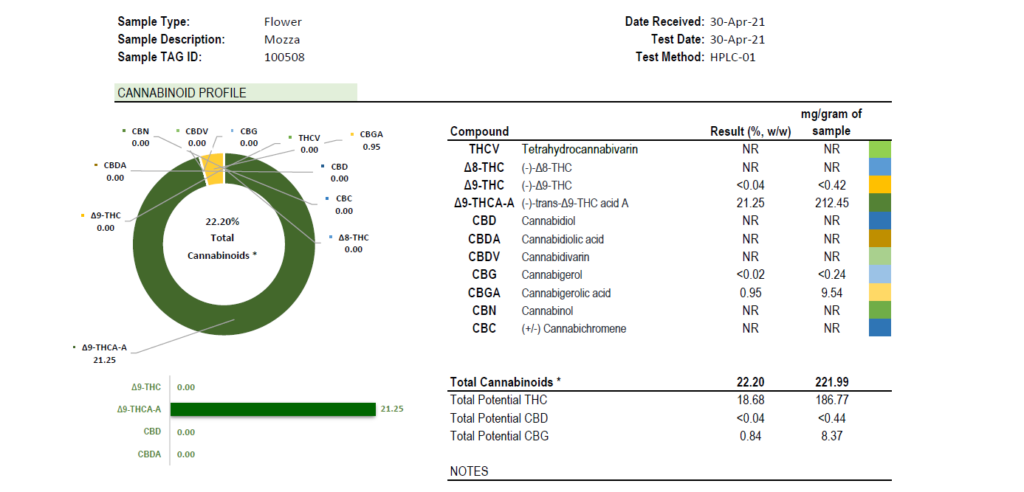
The business case for in-house cannabis testing equipment is straightforward. When producers can screen flower, extracts, and edibles for cannabinoid potency — including THC, CBD, CBN, CBG, and other minor cannabinoids — before sending final samples for regulatory certification, they dramatically reduce failed batches and costly retesting fees. Pre-screening catches out-of-spec products early, before they’ve been packaged, labeled, and submitted to an accredited lab.
Beyond cost savings, real-time potency data empowers cultivation and extraction teams to make better decisions. Growers can optimize harvest timing based on actual cannabinoid development rather than guesswork. Extraction teams can fine-tune parameters and formulations with immediate analytical feedback. Critically, in-house testing isn’t a replacement for accredited lab certification — it’s a quality control layer that saves money and accelerates time-to-market.
The CTInstruments Cannabis HPLC Analyzer: Affordable Compliance-Ready Testing
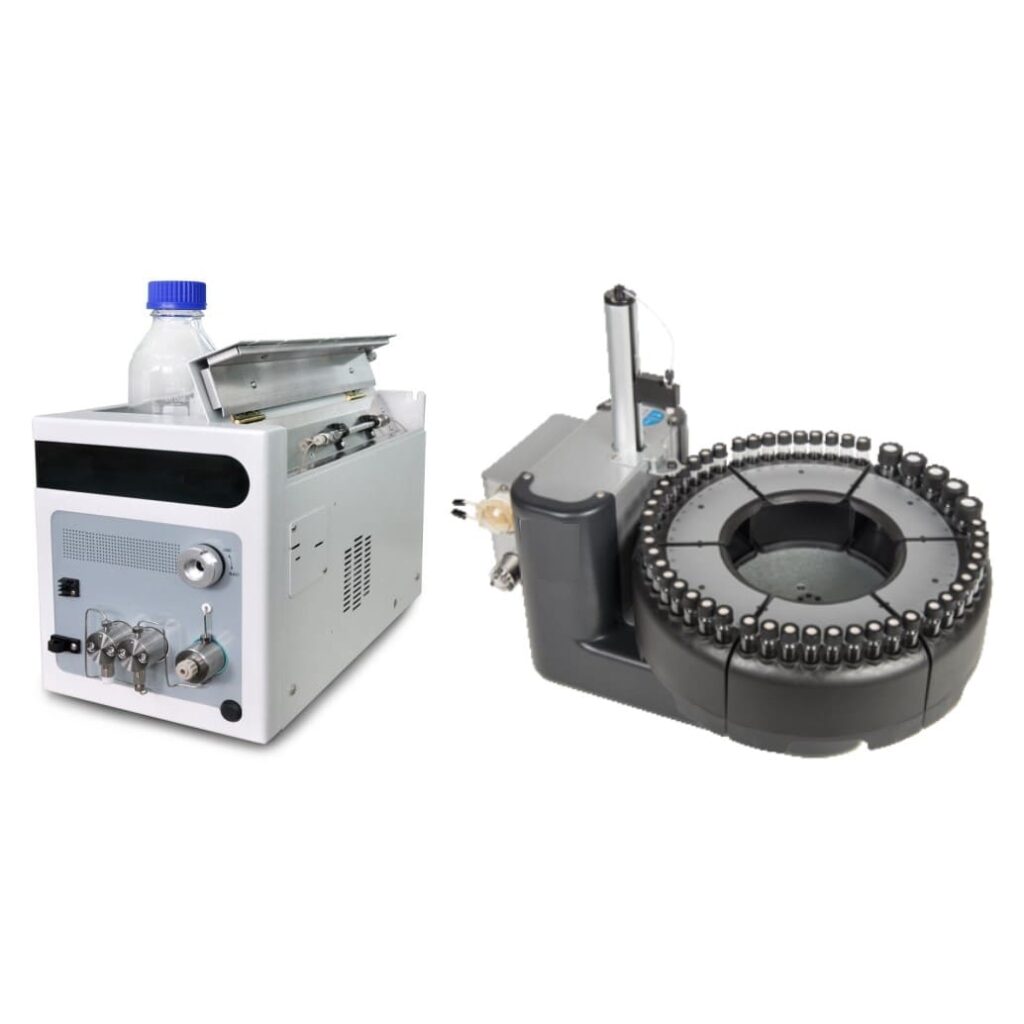
The Cannabis HPLC Analyzer with Autosampler from CTInstruments was purpose-built to solve this exact problem. This cannabis HPLC analyzer delivers reliable cannabinoid potency analysis at a fraction of the cost of traditional lab-grade systems, making in-house testing financially viable for producers of all sizes.
Key features include automated sample handling via an integrated autosampler, pre-validated methods for major and minor cannabinoids, and intuitive software designed for operators without chemistry degrees. Its compact footprint fits production facilities — not just dedicated laboratories. Producers testing even a moderate volume of samples per month can recoup the investment quickly by slashing third-party lab dependence and catching problems before they become expensive.
What Needs to Change: A Call for Accessible Testing Across Canada’s Cannabis Industry
Affordable testing technology should be central to the next chapter of Canadian cannabis policy. If Health Canada’s core goals are consumer safety, accurate labeling, and product consistency, then making compliance achievable for small producers — not just large corporations — must be a priority. Democratizing access to in-house cannabis testing equipment supports every one of those objectives.
Legalization was step one. But making the regulated market sustainable and equitable for all license holders requires removing barriers like prohibitive testing costs. The tools exist today to bring reliable cannabis potency testing directly into Canadian production facilities — affordably and without compromise on quality.
Ready to bring potency testing in-house and take control of your compliance costs? Visit cannabistestingsimplified.com to learn how the CTInstruments Cannabis HPLC Analyzer with Autosampler is helping Canadian licensed producers and hemp growers test smarter, faster, and more affordably.