April Fools’ Day Cannabis Testing Myths: These Industry Problems Sound Like Jokes — But They’re Real
🚨 These Cannabis Testing Facts Sound Like April Fools’ Jokes — But They’re Costing the Industry Millions
Here’s a statistic that sounds like it belongs in an April Fools’ prank: studies suggest that up to 70% of cannabis product labels carry inaccurate potency numbers. Unfortunately, this isn’t a joke — it’s a documented industry crisis that’s costing companies millions in lost revenue, regulatory penalties, and consumer trust. As the legal cannabis market matures, the gap between what’s on the label and what’s in the product remains one of the industry’s most embarrassing open secrets.
In the spirit of April Fools’ Day, let’s debunk the most persistent cannabis testing myths — the kind that sound laughable but represent very real, very costly problems. From cannabis lab testing problems that undermine patient safety to label inaccuracies that erode brand credibility, these issues affect every corner of the supply chain. The stakes couldn’t be higher: inaccurate cannabis potency testing threatens medical patients who depend on precise dosing, puts companies at regulatory risk, and damages the overall credibility of the legal market.
Myth #1: “All Cannabis Lab Results Are Created Equal”
One of the most dangerous assumptions in the industry is that a THC number from one lab means the same thing as a THC number from another. In reality, different labs using different methodologies — UV spectroscopy, gas chromatography, or HPLC — can produce wildly different results for the exact same sample. This inconsistency has given rise to “lab shopping,” where producers seek out labs known for returning higher potency numbers.
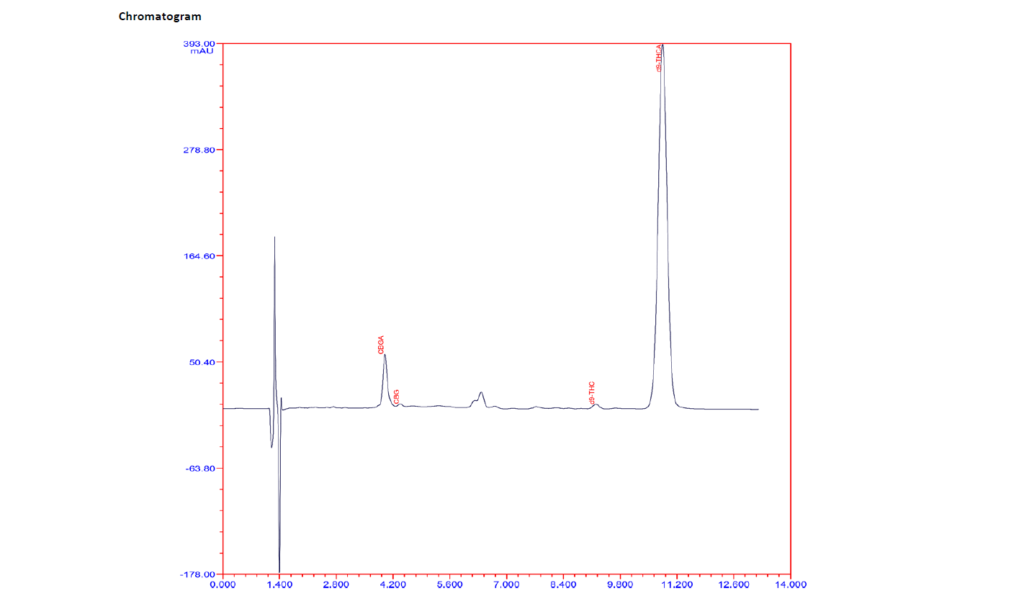
Studies have shown that identical cannabis samples sent to multiple labs can return THC values that vary by 15–30% or more. This isn’t a minor rounding error — it’s a fundamental failure of cannabis testing accuracy. The gold standard for cannabinoid potency analysis is HPLC (High-Performance Liquid Chromatography), which doesn’t require heating the sample. This preserves the true acidic cannabinoid profile, including THCA and CBDA, giving producers the most accurate picture of what their product actually contains.
Myth #2: “If It’s on the Label, It Must Be Accurate”
Consumers naturally assume that the numbers on a Certificate of Analysis (COA) reflect reality. Research from Johns Hopkins, the University of Northern Colorado, and multiple state audits tells a different story: cannabis label accuracy is alarmingly poor across the industry. Inflated THC potency numbers have become a market-driven epidemic — higher THC percentages command premium prices, creating perverse incentives that compromise scientific integrity.
The real-world impact is serious. Medical patients dose based on label information, and inaccuracies can lead to under-medication or adverse effects. Recreational consumers experience unexpected results, and negative experiences erode the trust that the legal market needs to compete with the illicit one. Fixing cannabis lab testing problems isn’t just about compliance — it’s about building an industry consumers can believe in.
Myth #3: “Cannabis Testing Is Too Complicated for In-House Use”
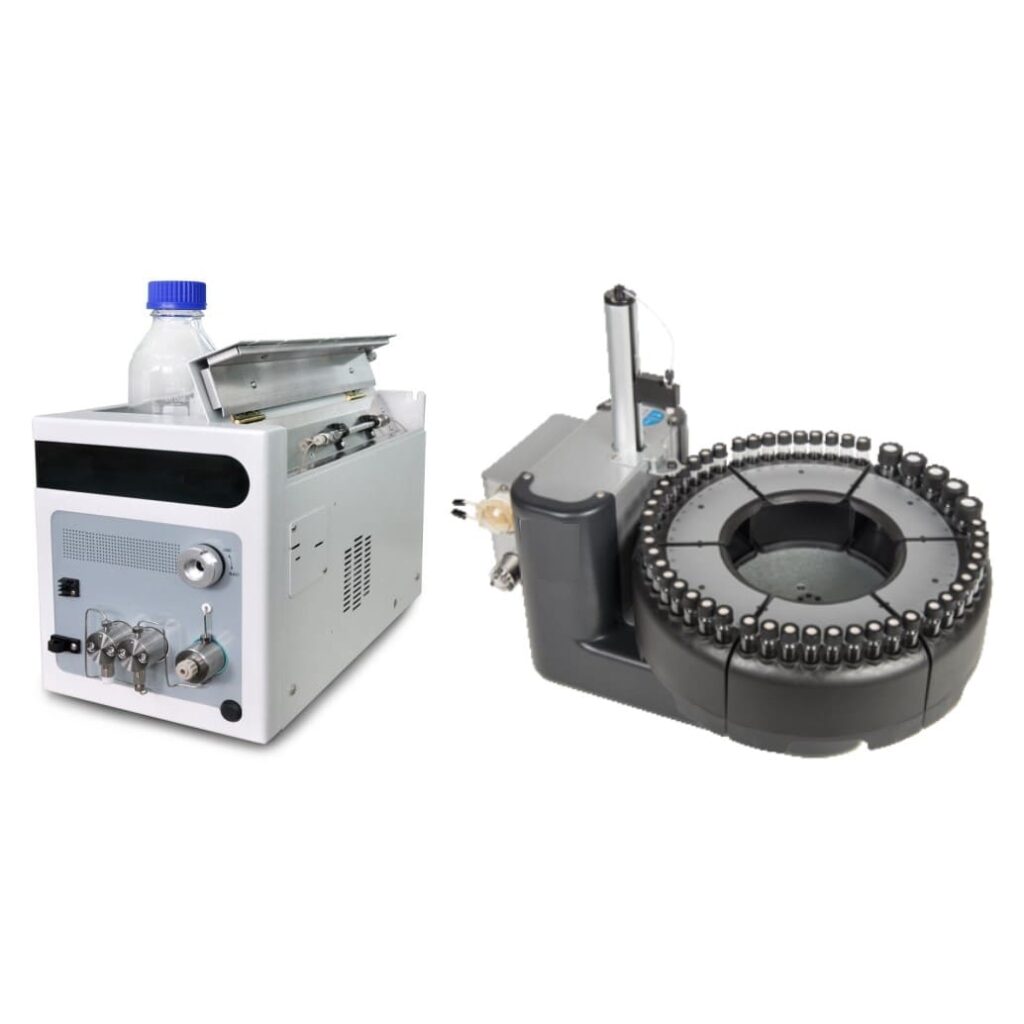
Many operators assume that HPLC-based potency testing requires a PhD chemist and a million-dollar laboratory. That misconception is outdated. Modern instruments like the Cannabis HPLC Analyzer from CTInstruments are purpose-built for operators at any skill level, featuring pre-loaded methods, automated calibration, and intuitive software that delivers reliable results in minutes.
The business case is compelling: cultivators, processors, and dispensaries that bring testing in-house gain real-time quality control, reduce dependency on third-party labs, and catch potency or contamination issues before products ever ship. A cannabis HPLC analyzer transforms testing from a bottleneck into a strategic advantage.
Myth #4: “Potency Is the Only Number That Matters”
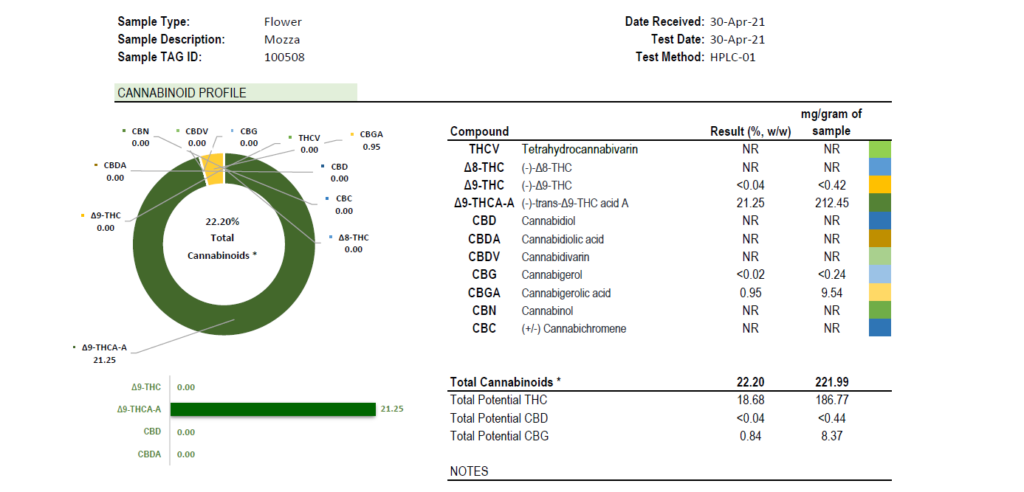
The industry’s obsession with total THC has created a “potency arms race” that ignores what actually makes cannabis products effective and unique. A full cannabinoid profile — including CBD, CBG, CBN, CBC, THCA, CBDA, and other minor cannabinoids — matters for product differentiation, the entourage effect, and increasingly strict regulatory compliance requirements.
A comprehensive cannabis HPLC analyzer can quantify 16 or more cannabinoids simultaneously, giving producers the complete chemical picture they need for better formulation, more honest labeling, and genuine product differentiation in a crowded market.
Myth #5: “Regulations Will Fix Everything Eventually”
State regulatory frameworks are improving, but the patchwork nature of cannabis testing requirements — with no federal standard and dramatically different compliance thresholds across jurisdictions — means waiting for regulation to solve accuracy problems is the real April Fools’ joke. Proactive companies that invest in reliable cannabis potency testing now will be best positioned when federal standards eventually arrive.
Having your own verified, HPLC-based testing data strengthens your position during audits, disputes, and quality assurance reviews. It transforms testing from a cost center into a competitive advantage that sets your brand apart.
No More Pranks: How to Ensure Accurate Cannabis Testing Results
The cannabis industry’s testing accuracy crisis is no joke — but it is solvable. The path forward requires adopting HPLC-based testing, implementing in-house quality checks, demanding transparency from third-party labs, and training your team on proper sampling and preparation techniques.
The CTInstruments Cannabis HPLC Analyzer is the purpose-built solution designed to put accurate, reliable, and fast cannabinoid potency testing directly in the hands of cultivators, manufacturers, and lab operators — no chemistry degree required.
Stop letting inaccurate cannabis testing be the industry’s worst joke. Visit cannabistestingsimplified.com to learn how the Cannabis HPLC Analyzer from CTInstruments delivers lab-grade potency results you can trust — right in your own facility. Request a demo today and take control of your product quality.