Daylight Savings Time & Hemp Harvest: Why Every Hour Matters for THC Compliance Testing
You Just Lost an Hour — And Your Hemp Crop Didn’t Stop Growing
The clocks just sprang forward, and while you lost an hour of sleep, your hemp plants didn’t skip a beat. Cannabinoid biosynthesis doesn’t recognize daylight savings time — THC levels in your crop continue climbing every single day the plant stays in the ground. That lost hour might seem trivial, but for hemp farmers racing against the 0.3% total THC threshold, it’s anything but.
Late-season light cycle changes actively accelerate cannabinoid production in hemp. As photoperiods shift and the plant pushes deeper into flower, the final days before harvest become the most volatile for THC concentration. Now compound that biological reality with one fewer hour of usable daylight for scouting, sampling, and harvesting. The margin between a compliant crop and a “hot” one that must be destroyed was already razor-thin — and it just got thinner.
The 0.3% THC Threshold: Understanding the Compliance Cliff
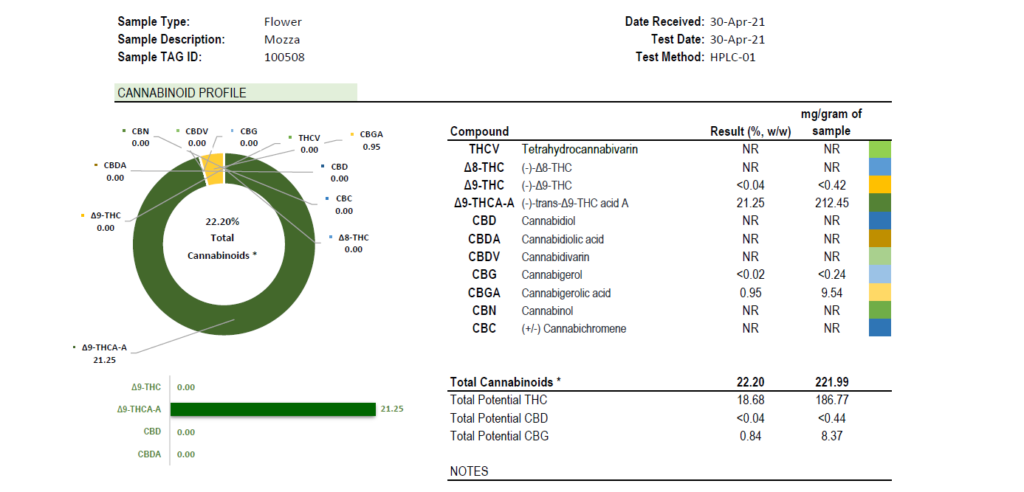
Under the 2018 Farm Bill, hemp is legally defined as cannabis containing no more than 0.3% total THC on a dry-weight basis. Both USDA and state regulations calculate this using total potential THC — the formula THCA × 0.877 + Δ9-THC. Exceed that number, and your crop isn’t hemp anymore. It’s marijuana in the eyes of the law, and it’s slated for destruction.
The financial devastation of failing hemp THC compliance testing is staggering. Entire fields can be ordered destroyed, wiping out a season’s worth of investment in seed, labor, irrigation, and inputs. Beyond lost revenue, farmers may face legal consequences and jeopardized licensing. What makes this especially dangerous is that THC levels can jump from compliant to non-compliant in as little as a few days during late flower, making real-time awareness absolutely mission-critical.
How Harvest Timing and Sunlight Hours Directly Impact THC Levels
The science behind hemp harvest timing THC is straightforward but unforgiving. Photoperiod changes trigger enzymatic pathways that convert CBGA into THCA, the precursor counted in total THC calculations. Shorter days paired with intense UV light during the final weeks of flower can cause THC to spike unpredictably. The plant is doing exactly what its genetics tell it to do — but that biology doesn’t care about your compliance deadline.
Daylight savings time compounds the logistical challenge in practical ways. Farmers have fewer working daylight hours to scout fields, collect samples, and coordinate harvest crews. Consider a farmer managing 50 acres who needs to stagger harvest across multiple days — each afternoon now ends an hour sooner, shrinking the window to make critical decisions. When every hour matters for THC accumulation, losing one to the clock is a problem you can’t afford.
Why Waiting on Third-Party Lab Results Puts Your Harvest at Risk
The typical third-party lab turnaround for total THC testing for hemp ranges from 5 to 14 days. During that waiting period, your crop doesn’t pause — it keeps maturing, and THC keeps rising. By the time results arrive, the data reflects a snapshot of a field that no longer exists in the same chemical state. You’re making harvest decisions based on outdated information.
This lag creates a dangerous blind spot. Pre-harvest screening with on-site equipment is the proactive strategy that closes this gap, giving farmers real-time data to make same-day harvest decisions instead of gambling on week-old lab reports.
In-House HPLC Testing: The Advantage of Same-Day THC Results
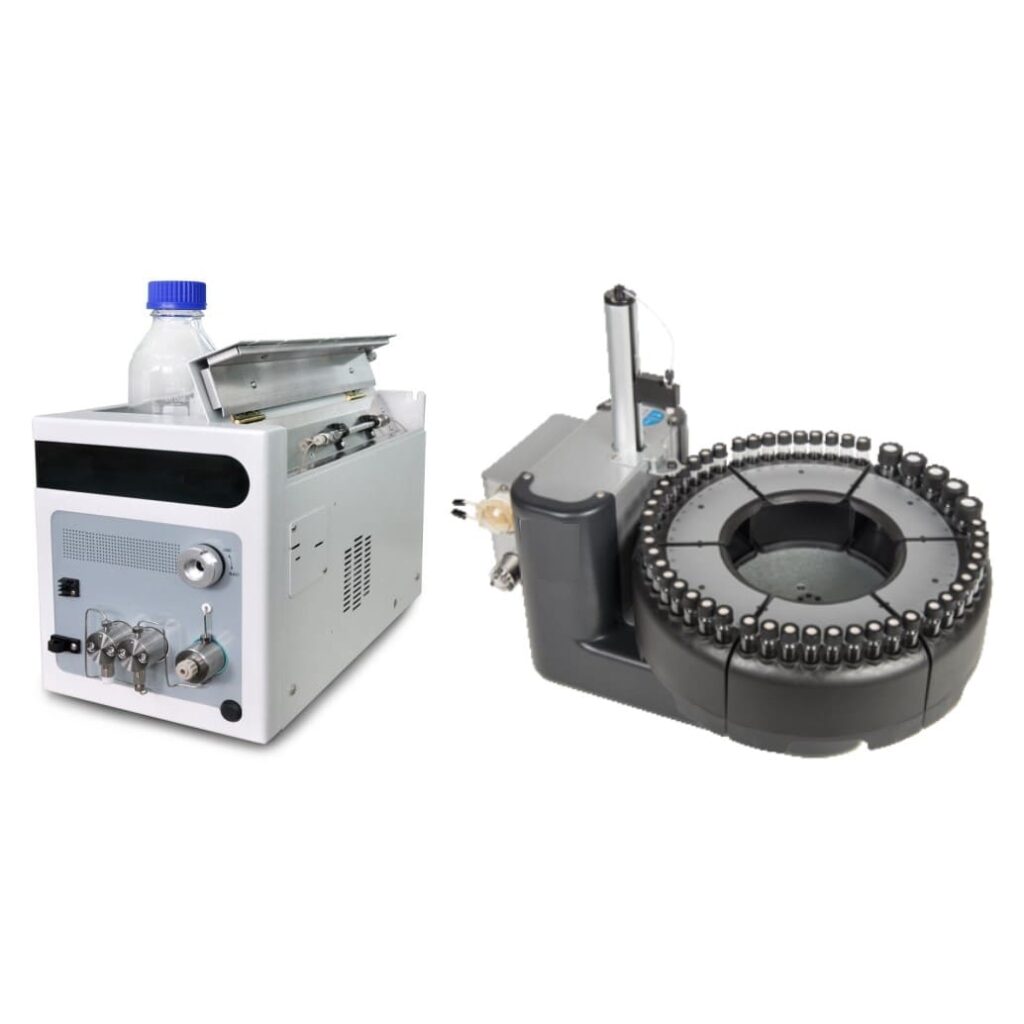
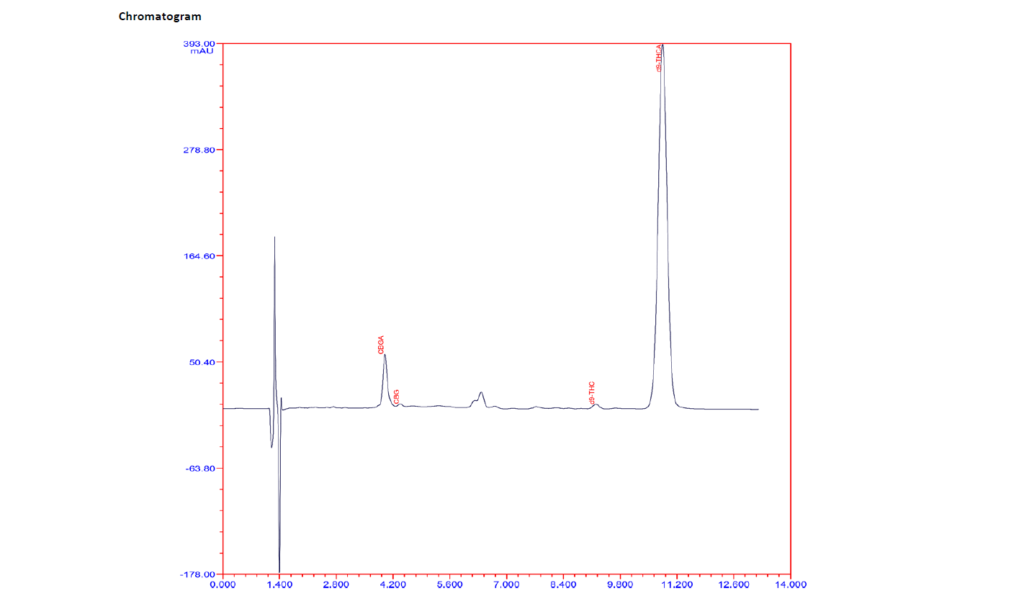
The Cannabis HPLC Analyzer by CTInstruments is a purpose-built solution for on-site hemp and cannabis potency testing, delivering lab-grade results in minutes rather than days. HPLC (High-Performance Liquid Chromatography) is the gold standard for cannabinoid quantification because it measures THCA and Δ9-THC separately without heat conversion — exactly what’s required for accurate total THC compliance calculations.
The benefits of owning your own hemp potency testing equipment are immediate: no shipping samples, no multi-day wait times, and the ability to test multiple field sections in a single day. This is data farmers can act on before the sun sets — not data that arrives a week after the crop has already gone hot.
A Smarter Harvest Strategy: Test Early, Test Often, Harvest on Time
The winning protocol is simple: begin HPLC screening 2–3 weeks before your anticipated harvest date and increase testing frequency as the crop approaches the 0.3% threshold. Use a field-zone sampling strategy — test perimeter plants and high-light exposure areas first, as these sections typically go hot before interior plants.
When you own your testing timeline, daylight savings time, weather delays, and lab backlogs no longer dictate whether your crop is compliant or destroyed. You decide when to test, and you harvest based on facts, not guesswork.
Don’t Let the Clock Decide Your Crop’s Fate
Seasonal time changes are a pointed reminder that hemp farmers operate on nature’s schedule, not the calendar’s. Proactive hemp THC compliance testing is the only way to stay ahead of a biological process that won’t slow down for anyone. The Cannabis HPLC Analyzer empowers farmers, processors, and compliance teams to take full control of their testing with fast, accurate, on-site cannabinoid analysis.
Harvest season waits for no one, and neither does THC accumulation. Don’t gamble your harvest on outdated lab results. Visit cannabistestingsimplified.com to learn how the Cannabis HPLC Analyzer gives you lab-grade THC compliance testing on your schedule — before the sun goes down and before your crop goes hot.