Red Flag Fire Warnings & Cannabis Crop Emergency Testing: Why Growers Need Potency Data Before Disaster Strikes
Red Flag Warnings Are Sweeping the West — Is Your Cannabis Crop Data-Ready?
Red flag fire weather warnings are becoming a recurring nightmare for outdoor cannabis and hemp cultivators across California, Oregon, Colorado, and other Western states. These warnings signal a dangerous combination of extreme wind, critically low humidity, and conditions that allow wildfire to spread at terrifying speed. For growers with acres of mature flower approaching harvest, a red flag warning isn’t just a weather alert — it’s a countdown clock on their entire season’s investment.
Here’s the question every grower should be asking right now: if wildfire forces an emergency harvest or destroys your crop tomorrow, do you have documented potency and compliance data in hand? Or is that critical information sitting in a sample queue at an external lab 200 miles away? Without verified cannabis potency testing data, growers face total financial exposure — no viable insurance claims, no salvage sales to processors, and no compliance documentation to satisfy regulators. The crop doesn’t just burn. The proof of its value burns with it.
The Hidden Cost of Relying on External Labs During Fire Season
Under normal conditions, external cannabis testing labs operate on turnaround times ranging from 7 to 21 days. During harvest season — which runs from late September through November in most Western states — those timelines stretch further as every grower in the region submits samples simultaneously. This harvest-season bottleneck collides directly with peak wildfire season, creating a dangerous gap between when growers need data and when they can actually get it.
When fires break out, the logistics collapse entirely. Road closures block courier routes. Labs in affected regions evacuate or shut down. Samples sitting in transit degrade from heat and smoke exposure, rendering results unreliable even if they eventually arrive. Growers who cannot prove potency or compliance before crop loss have zero leverage with insurance adjusters, wholesale buyers, or state regulators. The financial exposure isn’t theoretical — it’s the difference between a recoverable setback and a season-ending catastrophe.
Smoke Taint, Ash Contamination, and Post-Fire Crop Integrity
Even when flames never touch your fields, wildfire smoke and ash can devastate cannabis crops. Prolonged smoke exposure can alter cannabinoid profiles, deposit heavy metals and particulate matter onto flower surfaces, and introduce volatile organic compounds that compromise quality and safety. A crop that tested at premium potency levels before a smoke event may fail compliance testing afterward — through no fault of the grower.
This is precisely why hemp testing before harvest and pre-event baseline data matter so much. Having timestamped potency records taken before smoke exposure creates an essential comparison point for assessing damage, substantiating insurance claims, and demonstrating to buyers what the crop was worth before contamination. Without that baseline, state compliance testing may reject smoke-affected flower outright, turning a partial recovery into a total write-off.
Emergency Harvest Decisions Require Real-Time Potency Data
Picture this scenario: a wildfire is burning 10 miles from your operation. Evacuation orders may come within 24 hours. You have 40 acres of cannabis at varying stages of maturity across multiple plots. You have the crew and equipment to harvest maybe 15 acres before you have to leave. Which plots do you prioritize?
With on-site cannabis testing equipment, that decision becomes strategic instead of desperate. Emergency cannabis crop testing with an on-site HPLC analyzer lets you triage fields by potency value in real time — identifying the highest-THC or highest-CBD plots and directing your harvest crew accordingly. You’re making dollar-per-pound decisions based on data, not guesswork. Real-time potency results transform panic into a calculated response that preserves maximum crop value.
On-Site Cannabis HPLC Testing: Your Insurance Policy Before the Insurance Policy
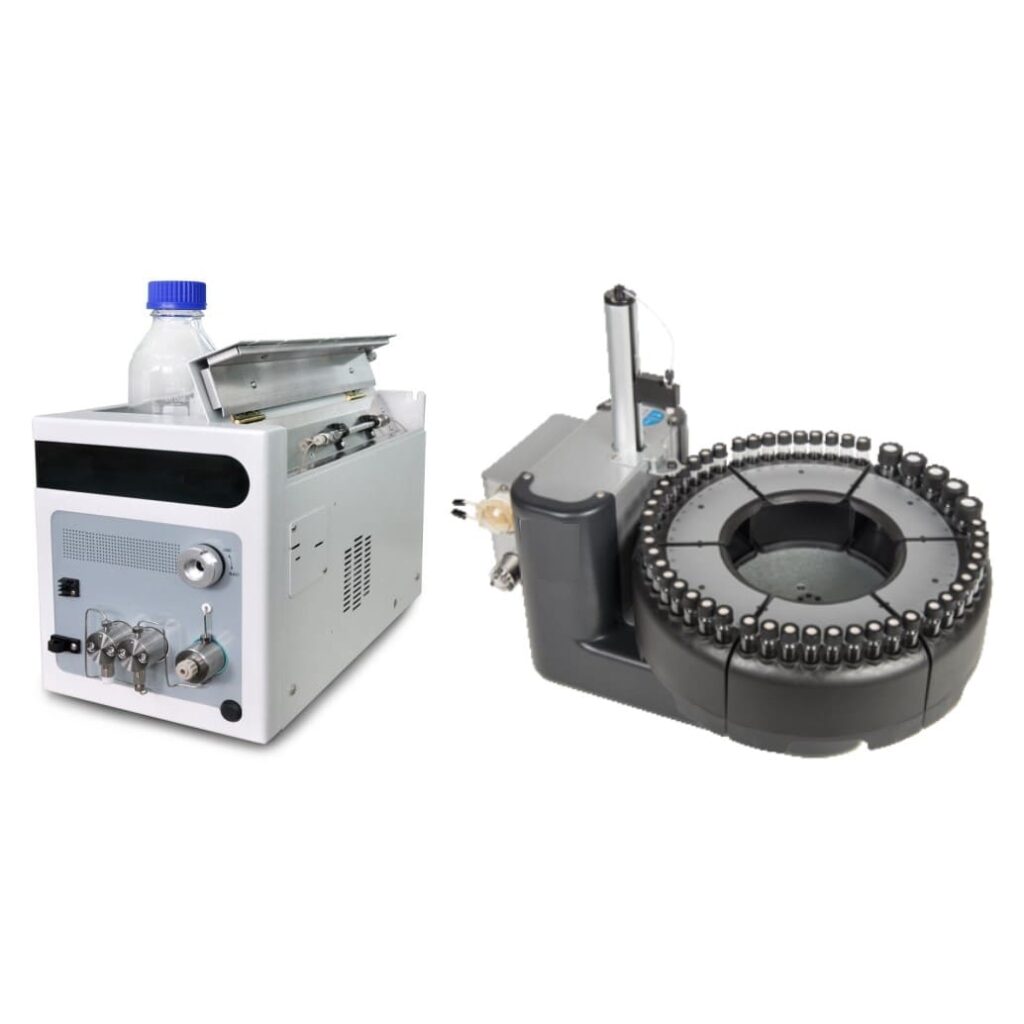
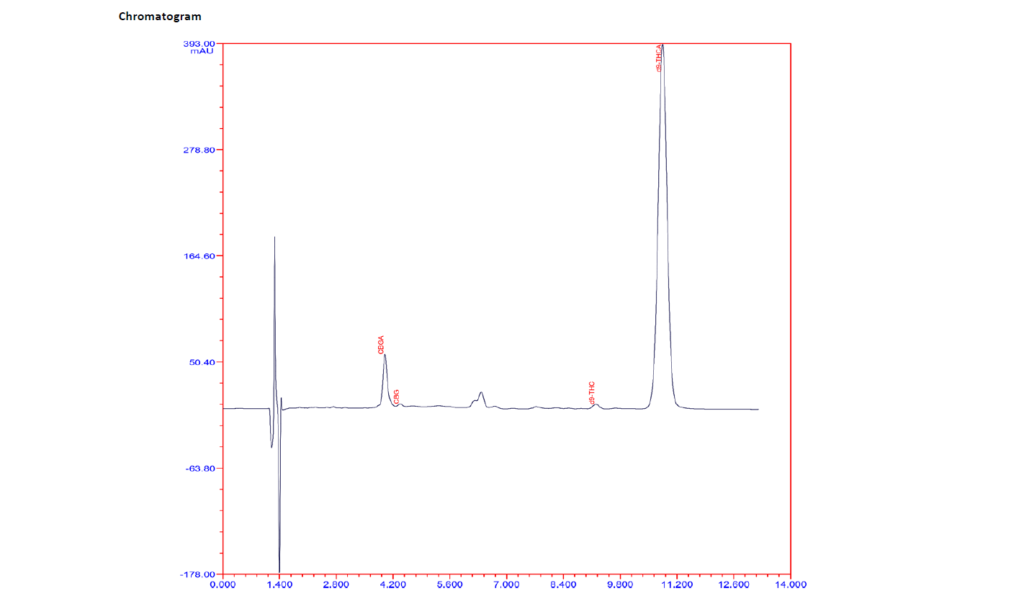
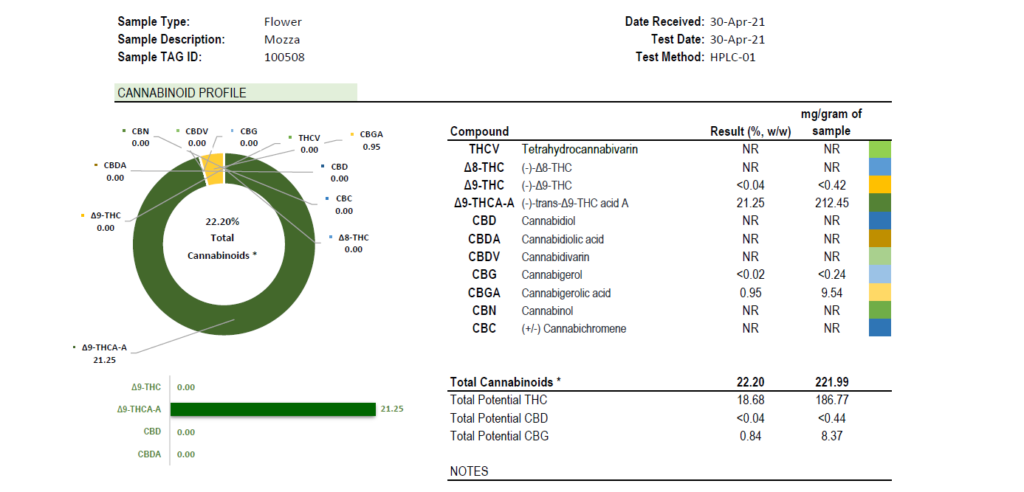
The Cannabis HPLC Analyzer from CTInstruments puts lab-grade potency testing directly on your farm. This cannabis HPLC analyzer delivers accurate cannabinoid profiling — THC, CBD, CBG, CBN, and more — with results measured in minutes rather than weeks. You control the testing timeline, you own the data, and every result carries a timestamp that holds up under scrutiny.
When you conduct continuous on-site testing throughout the grow cycle, you build a comprehensive potency data archive that protects your operation financially and legally regardless of what fire season delivers. That archive becomes your first line of defense in insurance negotiations, regulatory inquiries, and buyer disputes — documentation that no external lab backlog can take away from you.
Building a Wildfire-Season Testing Protocol for Your Cannabis Operation
A practical fire-season protocol starts with weekly cannabis potency testing at least four weeks before your expected harvest window. When red flag warnings are issued for your area, increase testing frequency to every 48 hours so you always have near-current data on every plot in your operation.
Store all timestamped test results alongside GPS-tagged field maps so that every section of your cultivation has documented potency data if evacuation or loss occurs. Integrate your HPLC testing schedule into your broader emergency preparedness plan — right alongside crop insurance policy reviews, irrigation shutoff procedures, firebreak maintenance, and harvest crew mobilization protocols.
Don’t Let the Next Red Flag Warning Catch You Without Data
External lab dependency is a single point of failure, and wildfire season exploits it ruthlessly. Road closures, lab evacuations, shipping delays, and sample backlogs all converge at exactly the moment growers need data most. For operations in fire-prone regions, on-site HPLC testing is no longer a luxury — it is an operational necessity and a financial safeguard that pays for itself the first time disaster threatens your fields.
The time to equip your operation is before the smoke is visible on the horizon — not after.
Don’t wait for the next red flag warning to expose gaps in your testing strategy. Visit cannabistestingsimplified.com to learn how the Cannabis HPLC Analyzer from CTInstruments puts lab-grade potency data in your hands — on your farm, on your timeline. Protect your crop, your compliance, and your bottom line before fire season decides for you.